


Best Kids Boxing Equipment to Buy Right
- Jun 6
- 6 min read
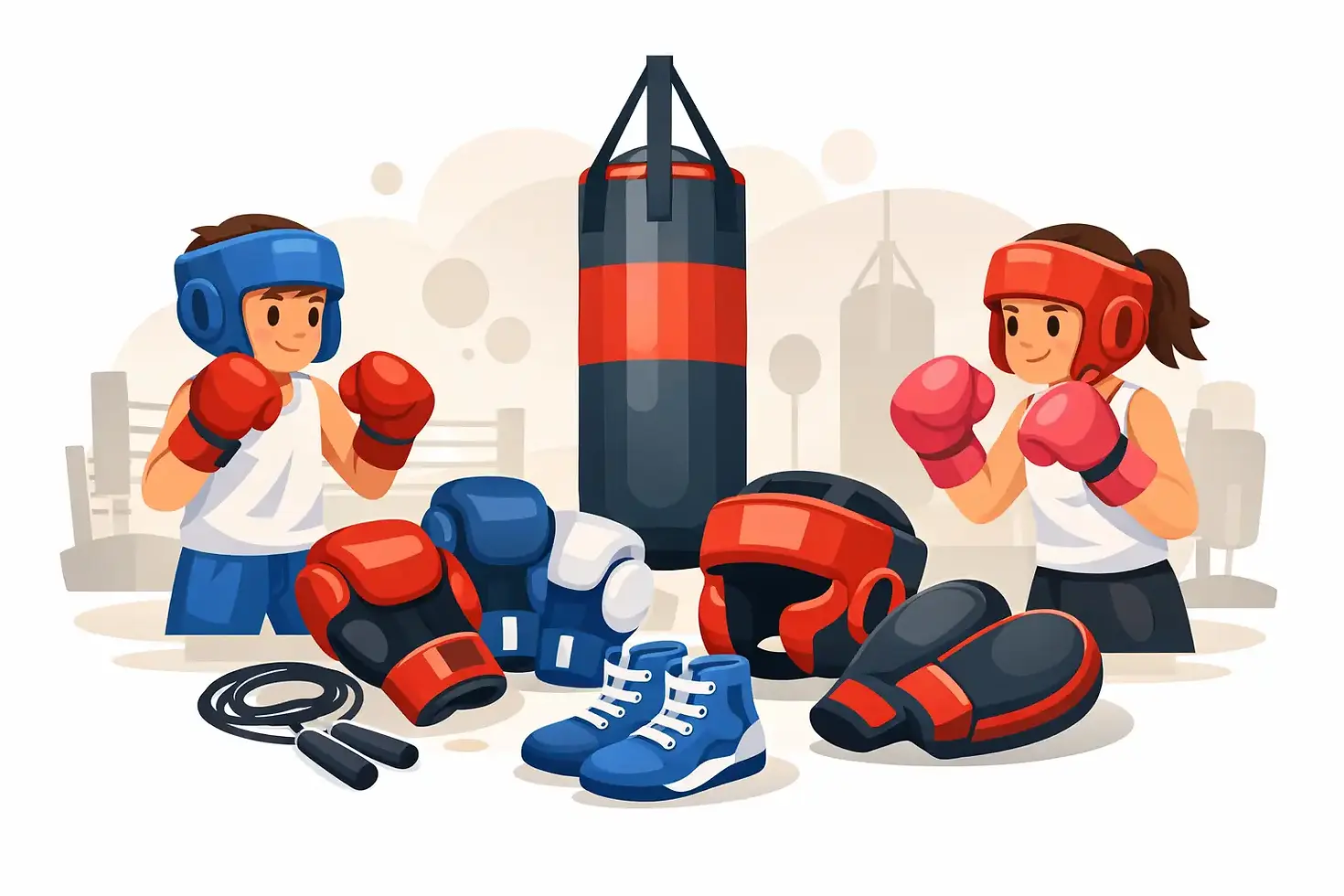
A child turning up to boxing class in oversized gloves and a loose gumshield is not just uncomfortable - it can spoil the session and leave them under-protected. The best kids boxing equipment is not about buying a miniature version of an adult kitbag. It is about getting the right fit, the right protection and the right level of durability for how often they train.
For parents, that usually means balancing safety with value. For coaches and clubs, it means choosing kit that can handle regular use and help young boxers build good habits early. Cheap gear often looks fine online, but once training starts the weaknesses show quickly - poor wrist support, thin padding, rough inner lining or a headguard that shifts every time they move.
What the best kids boxing equipment should actually do
Good kids' boxing gear should protect first, fit properly second and last long enough to justify the spend. Those three points sound obvious, but they are where most buying mistakes happen.
Protection starts with age-appropriate design. Children do not need the same setup as experienced adult boxers doing hard sparring. They need gloves with adequate padding, wraps that support the hands without bunching, and a gumshield that stays in place. If sparring is part of the class, head protection becomes part of the conversation too. The exact mix depends on the gym and the coach's rules.
Fit matters because loose equipment does not perform as intended. Gloves that are too big can affect technique and make it harder to form a proper fist. Wraps that are too long become awkward. A gumshield that does not mould properly is likely to spend more time in a pocket than in the mouth.
Durability is where buying better usually pays off. Kids train hard. They throw kit into bags, leave gloves to dry badly and forget things at the gym. If the stitching, fastening and inner materials are poor, replacement comes sooner than expected.
The core items in the best kids boxing equipment setup
For most beginners, the basic kit starts with boxing gloves, hand wraps and a gumshield. That is the minimum most parents should expect to buy if a child is attending regular classes rather than a one-off taster session.
Kids boxing gloves
Gloves are the main purchase, and they are the one item people get wrong most often. Bigger is not always better. In adult boxing, people often talk about glove weight in ounces as if it tells the full story. With kids' gloves, fit and hand size are just as important as the listed weight.
A good pair should feel secure around the wrist and snug through the hand without crushing the fingers. The fastening needs to be easy enough for parents or coaches to manage quickly, especially before class starts. Hook-and-loop closures are the practical choice for younger boxers because they are simpler than lace-up gloves and better suited to training.
Padding should be even and substantial through the knuckle area. If the glove feels flat or uneven when new, that is usually a bad sign. The lining should also be smooth. Rough internal stitching can become a problem fast, especially once hands get warm and wraps are worn underneath.
Kids hand wraps
Hand wraps are often treated like an add-on, but they make a real difference. They help support the small bones of the hand and wrist and create a more secure fit inside the glove. They also absorb sweat, which helps the gloves last longer.
For children, the best option is usually a shorter wrap designed specifically for smaller hands. Adult-length wraps can work, but they are often excessive and awkward to apply neatly. If wrapping becomes a battle before every class, there is a good chance they will be skipped.
Comfort matters here more than people think. A wrap that is too stiff or bulky can make gloves feel tight in the wrong places. A softer, slightly elasticated wrap tends to be easier for regular training.
Kids gumshields
If a child is doing any contact work, a gumshield is standard. Even where sparring is limited, many clubs still recommend one for drills. The key point is fit. A badly moulded gumshield is next to useless and usually ends up being chewed, spat out or ignored.
Single gumshields are often the practical choice for boxing. They are less bulky and easier to wear. For children, comfort is a big factor because if it feels awkward, they will not keep it in. A proper boil-and-bite fit is usually enough for club training, provided the sizing is suitable for younger users.
Best kids boxing equipment for sparring
Not every child in boxing class is sparring, and they should not be kitted out as if they are. That is where overbuying happens. If the gym is focused on fitness, bag work and technique, the basic setup may be all they need for quite a while.
If sparring is part of their training, the equipment list usually expands to include headgear and, depending on club rules, other protective items. This is where it makes sense to ask the coach before buying. Different gyms have different standards, and there is no point spending on kit that will not be used.
Headguards
A kids' headguard should fit securely without blocking vision. If it shifts when they move, it is too loose or poorly shaped for them. If it presses too hard around the forehead or chin, it will quickly become distracting.
The best models strike a balance. They offer enough padding for club sparring without becoming oversized and cumbersome. A bulky headguard can affect movement and confidence just as much as an under-padded one can affect protection.
Groin guards and other protection
For older children or those doing more structured sparring, extra protective equipment may be required. This depends heavily on the gym, the type of contact involved and the age group. Parents should treat coach guidance as the first reference point here rather than trying to buy a full competitive setup from day one.
How to choose the best kids boxing equipment without overspending
Buying the best kids boxing equipment does not mean buying the most expensive option in every category. It means spending where performance and safety matter most.
Gloves are worth prioritising because they take the most impact and affect every session. Wraps and gumshields are lower-cost essentials, but they still need to fit properly. Headguards sit in the middle - important if needed, unnecessary if not.
There is also a difference between entry-level and poor-quality. An entry-level glove from a specialist fight gear retailer can be perfectly suitable for a young beginner. A bargain-bin glove with weak stitching and poor wrist support usually is not. Parents often save ten pounds at the start and then replace the item within weeks.
Another factor is frequency. A child training once a week has different demands from one training three or four times a week and joining interclub sessions. The more often the gear is used, the more sense it makes to buy for durability rather than just price.
Common mistakes when buying kids' boxing kit
The biggest mistake is buying to grow into. That works for school jumpers. It does not work well for protective fight gear. Oversized gloves can compromise technique and comfort, and loose headguards do not stay where they should.
The second mistake is assuming all boxing gear is interchangeable across ages and disciplines. Kids' equipment needs to reflect smaller hands, lighter frames and developing technique. Adult gear scaled down in marketing only is rarely the best answer.
The third is ignoring gym requirements. Some clubs provide certain equipment for beginners. Others require personal gumshields and wraps from the first session. Checking first avoids wasted purchases.
Choosing from a specialist retailer makes a difference
Combat sports equipment is one of those categories where specialist stock usually tells you a lot. A retailer that understands boxing, Muay Thai and gym training will generally offer better category depth, clearer sizing and more relevant product selection than a general sports shop.
That matters for parents who are not buying this gear every week. It also matters for clubs and coaches sourcing multiple items for junior sessions. SIBIGA Fight Gear sits in that specialist space, with kids' gloves, wraps and gumshields alongside the broader fight gear range, which makes it easier to build a proper training setup without guessing.
A good buying decision here is simple. Start with what the gym requires, choose fit before flashy design and invest most carefully in the items that take the most use. If the gear feels right from the first session, young boxers are far more likely to focus on training instead of fighting with their equipment.


Comments